
Understanding the Evil Eye in Islamic Tradition
In Islamic tradition, the evil eye refers to harm that may occur as a result of envy, jealousy, or admiration when Allah’s name is not mentioned. Islam teaches that the evil eye is real, but protection is sought through remembrance of Allah, Quranic recitation, and reliance on Him. Understanding the evil eye helps Muslims remain spiritually mindful while placing trust in Allah’s protection.
What Is The Evil In Islam

The evil eye, known as Ayn in Arabic, is mentioned in the Quran and Sunnah as a reality acknowledged in Islamic belief.
It is understood as harm that may result from envy or negative intention, whether intentional or unintentional.
Islam teaches that:
All power belongs to Allah
Nothing occurs without His permission
Protection is always sought through faith and remembrance
The concept of the evil eye encourages humility, gratitude, and reliance on Allah.
se with both scholarly grounding and trained clinical awareness.
Quranic and Prophetic References to the Evil eye
References in the Quran
Scholars often refer to verses such as:
Surah Al Falaq
Surah An Nas
Surah Yusuf verse 67
These verses highlight the importance of seeking refuge in Allah from harm.
References in the Sunnah
The Prophet Muhammad ﷺ said that the evil eye is real and encouraged seeking protection through dua and remembrance.
Educational reference only:
External source: https://sunnah.com
Common Signs of the Evil Eye According to Islamic Understanding
Common Signs of the Evil Eye: According to Islamic Understanding
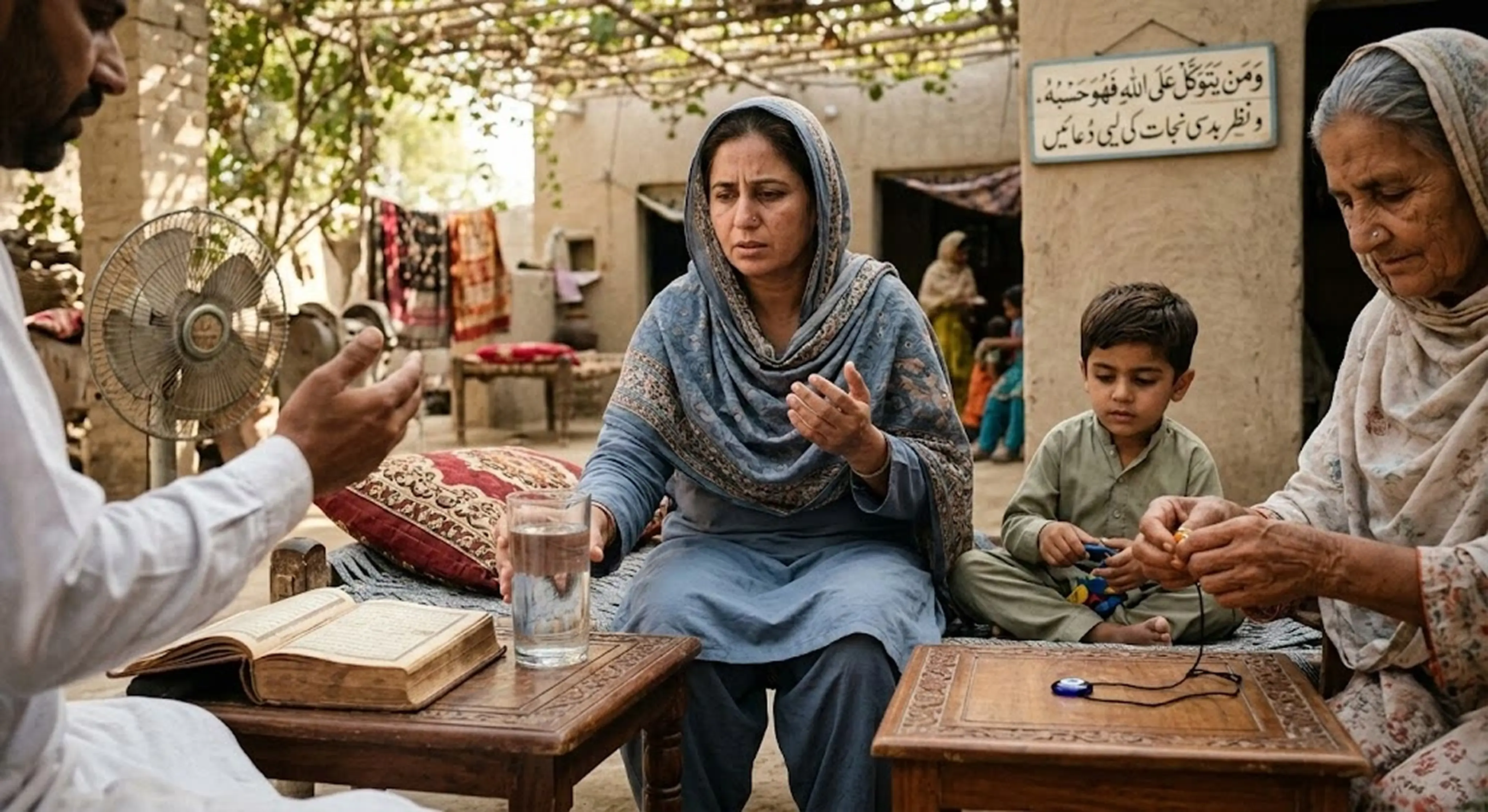
Islamic scholars describe signs in a spiritual context, not medical.
These may include:
Sudden feelings of discomfort
A sense of heaviness or unease
Persistent negativity without a clear cause
Feeling spiritually disconnected
Important reminder:
These signs are not diagnostic.
For physical or emotional health concerns, professional medical advice should always be sought.
How Muslims Traditionally Seek Protection
Muslims are encouraged to protect themselves spiritually by:
Reciting Surah Al Falaq and Surah An Nas
Reciting Ayat ul Kursi
Maintaining morning and evening adhkar
Saying Allahumma barik when admiring others
Making regular dua
These practices strengthen spiritual awareness and reliance on Allah.
The Role of Ruqyah in Seeking Protection
Ruqyah is a Quran-based spiritual practice that includes:
Reciting Quranic verses
Making authentic prophetic duas
Seeking Allah’s protection
It is a faith-based practice, not a medical treatment.
To book a private session:
Book Your Ruqyah Treatment Session
When to Seek Professional Help
Islam strongly encourages seeking appropriate help.
If someone experiences:
Persistent emotional distress
Physical symptoms
Mental health concerns
They should consult licensed medical or mental health professionals.
Ruqyah is a spiritual practice and does not replace professional care.
Frequently Asked Questions
Frequently Asked Questions
Is the evil eye real in Islam?
Yes. The evil eye is acknowledged in Islamic teachings, and protection is sought through remembrance of Allah.
Can anyone cause the evil eye?
Islam teaches that the evil eye can occur unintentionally, which is why humility and remembrance are encouraged.
How can I protect myself daily?
By maintaining regular adhkar, reciting the Quran, and placing trust in Allah.
Does Ruqyah remove the evil eye?
Ruqyah is a spiritual practice used to seek Allah’s protection. Outcomes vary by individual, and it is not a guaranteed solution.
Can Ruqyah be done online?
Many people choose online Ruqyah for convenience, provided it follows Islamic guidelines.
If you are seeking Quran-based spiritual support, you may explore our Ruqyah sessions delivered with care and Islamic integrity.
Explore Related Topics:
Ruqyah for Evil Eye Protection – Quranic Healing Explained
10 Signs You May Need Ruqyah Healing – Spiritual Protection Guide